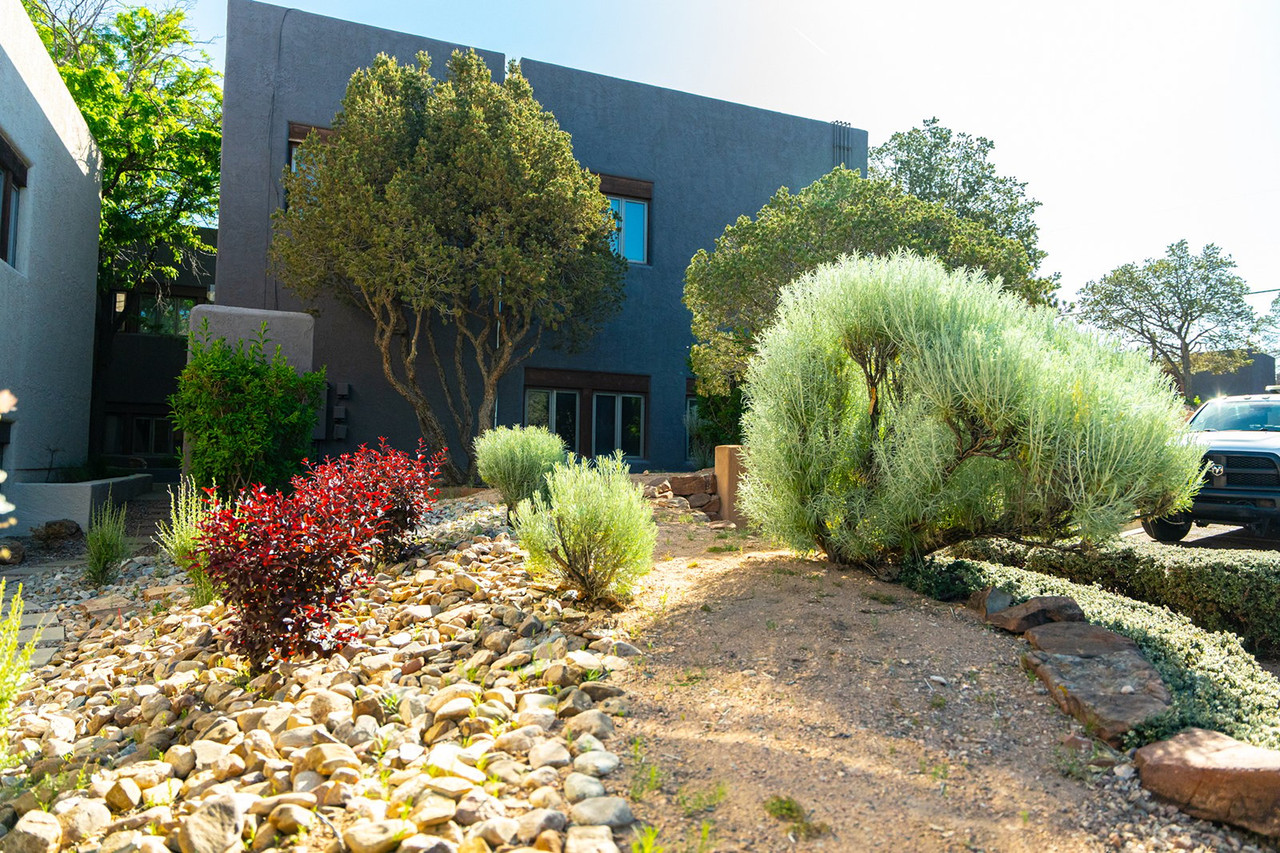
Summer in the southern region of New Jersey brings a unique blend of beautiful warm days and sudden meteorological shifts that can dramatically alter your landscape. When the heavy humidity finally breaks, it often does so with violent thunderstorms, torrential downpours, and gale force winds that can wreak havoc on mature properties. Property owners frequently wonder how to protect trees from summer storms south jersey especially after witnessing the devastating aftermath of a sudden squall in their neighborhood. Preparing your property requires a proactive approach rather than a reactive one, ensuring that the majestic oaks, maples, and pines that grace your yard remain standing tall long after the dark clouds have passed. Taking the time to evaluate the health and structural stability of your landscape is the most effective way to prevent catastrophic failures when the weather turns severe. A well maintained property not only looks beautiful but also serves as a robust defense mechanism against the unpredictable forces of nature.
The first step in safeguarding your arboreal assets is conducting a thorough visual inspection long before the skies begin to darken. You should take a slow walk around your property to examine the trunk, branches, and root zone of each major specimen. You are looking for obvious signs of decay, large dead branches, or deep cracks in the bark that could indicate internal weakness. Fungal growth near the base of the trunk is often a strong indicator that the internal wood might be compromised, which significantly reduces the structural stability of the entire organism. If you notice branches that cross and rub against each other, these friction points can create open wounds that invite disease and weaken the wood over time. Identifying these vulnerabilities early allows you to address them calmly and methodically, rather than rushing to find a solution while a severe weather warning blares on your television.
Pruning is arguably the most critical maintenance task you can undertake to enhance the wind resistance of your landscape. Many people mistakenly believe that simply cutting back the outer branches is enough, but proper pruning is a highly nuanced practice that requires a deep understanding of plant biology. The goal is to remove deadwood, diseased limbs, and structurally unsound branches without altering the natural shape of the specimen. When you remove excess interior growth, you allow the wind to pass freely through the foliage rather than pushing against it like a solid sail. This reduction in wind resistance significantly lowers the mechanical stress placed on the main trunk and the root system during a severe blow. It is vital to make clean cuts just outside the branch collar, which is the swollen area where the branch meets the trunk, because this specialized tissue contains the cells necessary for rapid wound closure and compartmentalization of decay.
Understanding the impact of high winds on canopy density
When a severe thunderstorm rolls across the region, the sudden gusts of wind exert tremendous kinetic energy on any obstacle in their path. A tree with a dense and unmanaged canopy acts like an enormous parachute, catching the full force of the wind and transferring that massive load directly down the trunk into the root system. If the soil is already saturated from heavy rainfall, the roots lose their friction grip on the surrounding earth, making the entire structure highly susceptible to complete uprooting. By strategically thinning the canopy, you essentially create aerodynamic vents that allow the violent air currents to slip harmlessly between the branches. This careful reduction of foliage volume drastically decreases the leverage that the wind can apply, thereby keeping the main trunk stable and preventing the entire organism from toppling over onto your home or driveway. Proper canopy management strikes a delicate balance between preserving the photosynthetic capacity of the plant and mitigating the sheer physical drag created by dense foliage.
Beyond the visible branches and leaves, the unseen foundation of your landscape requires equal attention and care to withstand the brutal weather patterns of late July and August. The soils in the southern part of the state can range from highly porous sands to heavier compositions, and understanding your specific ground conditions is crucial for maintaining proper moisture levels. During the intense heat of summer, it is tempting to water frequently, but shallow and frequent irrigation actually encourages roots to stay near the surface. Shallow roots offer very little structural anchorage when a massive storm front pushes through the area. Instead, you should provide deep and infrequent watering sessions that encourage the root system to plunge deep into the earth in search of moisture. This deep root architecture acts as a powerful subterranean anchor, gripping massive volumes of soil to counterbalance the violent swaying of the trunk above ground.
Building a resilient root system for structural integrity
A healthy root environment is further enhanced by the proper application of organic mulch around the base of the trunk. Mulch serves multiple vital functions, including regulating soil temperature, retaining essential moisture during dry spells, and slowly releasing nutrients back into the earth as it decomposes. However, the application technique is absolutely critical, as improper mulching can cause far more harm than good. You must never pile mulch directly against the bark of the trunk in a conical shape, a detrimental practice often referred to as volcano mulching. When moist material rests directly against the bark, it creates the perfect dark and damp environment for harmful fungi and destructive insects to thrive, eventually leading to severe decay at the exact point where the tree experiences the highest mechanical stress. The proper method involves spreading a layer of wood chips two to three inches deep in a wide flat ring, ensuring that the root flare remains completely visible and exposed to the open air.
For specimens that have inherently weak branch attachments, structural support systems can provide an invaluable safety net during violent weather events. Certain species are prone to developing codominant stems, which are two trunks of similar size growing from the same base with a very narrow angle between them. This tight V shaped junction is structurally inferior because bark becomes trapped between the growing stems, preventing the wood from truly fusing together. When strong winds whip through the canopy, these codominant stems tend to pull apart, leading to devastating splitting failures that can destroy the organism entirely. Installing high strength steel cables high up in the canopy can restrict the independent movement of these branches, forcing them to sway together as a single unified structure. In some cases, heavy steel braces are drilled directly through the weak junction at the base to provide absolute rigid support, dramatically reducing the likelihood of a catastrophic split during a severe thunderstorm.
Protecting your landscape from summer storms also involves understanding the broader environmental context of your property and how changes in the surrounding area can affect wind dynamics. If neighboring properties have recently cleared large sections of timber, your remaining plants might suddenly be exposed to wind loads they have never experienced before. Trees growing in a dense forest environment naturally protect each other by buffering the wind, and they develop their structural strength based on this shared protection. When that protective barrier is removed, the newly exposed specimens are highly vulnerable to snapping or uprooting during the next major weather event. In these situations, it becomes even more imperative to implement proactive pruning and soil management strategies to help the isolated specimens adapt to their new harsh reality. Careful monitoring of these newly exposed plants over several growing seasons will allow you to intervene early if they begin to show signs of leaning or structural distress.
After a violent storm has safely passed and the skies have cleared, it is important to conduct a careful post event assessment of your property. Even if everything appears to be standing upright, you should inspect the ground around the base of your largest plants for any signs of soil heaving or newly formed cracks in the earth. Soil heaving indicates that the root system was severely strained and has begun to pull away from its anchor points, meaning the specimen is now highly unstable and could fall with the next gentle breeze. You should also look up into the canopy to check for broken branches that are hanging precariously, commonly known as widow makers, which pose a severe hazard to anyone walking below. Addressing these lingering dangers promptly and ensuring that any jagged torn wood is properly pruned back to healthy tissue will help your landscape recover quickly and remain strong and beautiful for many seasons to come.


 en la parte superior derecha de la subsección.