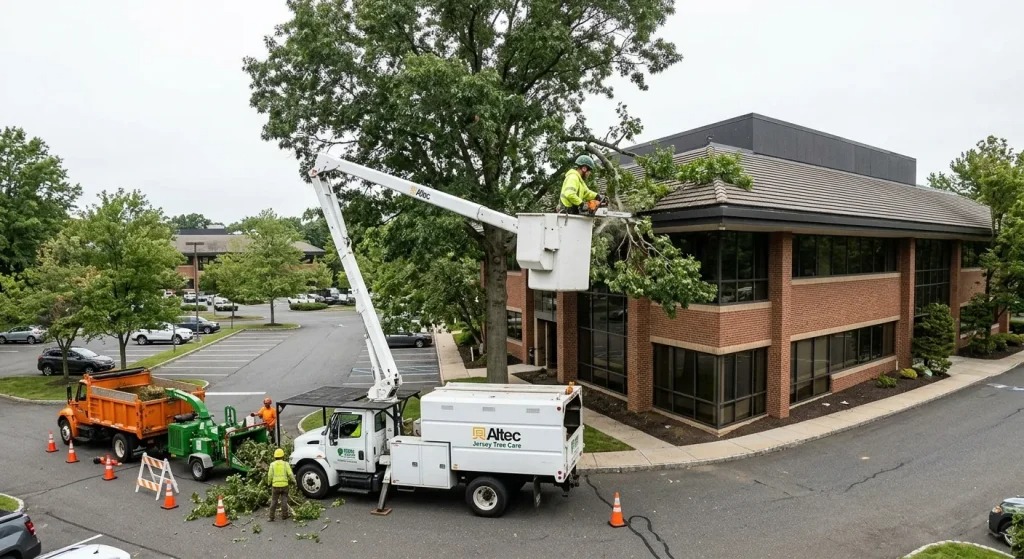
Trees do not fail on a calendar. A limb can look healthy in June and land on a car in September. On a commercial property, that gap between appearance and reality is a liability, and it is the reason inspections matter more than occasional pruning. For owners and managers, commercial tree services nj should be part of a risk plan, not a line item that appears after damage.
An arborist looks at the whole tree and the site around it. Cracks, cavities, included bark, deadwood, a lean that changed, mushrooms at the base, and soil that has been compacted by construction are all clues. The goal is not to remove every tree that carries risk, but to decide which risks are acceptable and which need action.
Species and location matter. Fast-growing trees can be brittle, shallow roots can lift pavement, and a tree that was fine in a yard can become a problem next to a new driveway. A tree is not a static object; it grows into the space you leave it, and commercial sites change faster than trees do.
Reading the warning signs
Some signs are visible from the ground. A new lean, a crack in the trunk, dead branches in the crown, or a hollow at the base deserve a closer look. Fungal growth at the root flare, sawdust, or a cavity that was not there last year are reasons to call someone before the next storm. The tree usually tells you before it falls, but someone has to be looking.
Other risks are underground. Roots cut during construction, soil compacted by equipment, and grade changes that alter drainage can weaken a tree over years. A site walk before a renovation is cheaper than a removal after it. Ask the contractor where the tree protection zone is and who enforces it.
Storm readiness is a plan, not a panic. Identify the trees near entrances, power lines, and parking areas, and schedule pruning before the season. Keep an emergency contact, a site map, and a budget for after-hours work. Preparation turns a disaster into a maintenance event, and that difference shows up in insurance claims and downtime.
Building a year-round plan
A commercial property needs a cycle. Dormant pruning in winter, structural inspections in spring, storm checks in summer, and cleanup in fall. The exact calendar depends on species and use, but the principle is the same: regular, documented care prevents surprises. A one-time prune is not a plan.
Construction and renovation are the riskiest moments. Equipment compacts soil, trenches cut roots, and new pavement changes water flow. Protect the root zone with fencing, avoid storage under the canopy, and consult an arborist before removing a tree that looks inconvenient. The cheapest tree to keep is the one you did not damage, and the most expensive is the one you have to remove.
Documentation is a shield. Inspection reports, photos, work orders, and invoices show that you acted with care. If a limb falls and a claim follows, the file matters. An arborist report can also support insurance requirements and long-term budgeting. A written record is not bureaucracy; it is evidence of diligence, and it is easier to create before an incident than after.
Budget for prevention. Removing a large tree near a building can cost far more than years of pruning and inspection. The same is true for pavement repair, drainage fixes, and liability claims. A preventive plan spreads the cost and reduces the chance of an emergency that arrives at the worst possible time.
The trees on a commercial property are part of the asset. They provide shade, soften the built environment, and signal care to customers. They also require attention. The goal is not to eliminate risk, which is impossible, but to manage it with knowledge, records, and a crew that knows the site.


 en la parte superior derecha de la subsección.