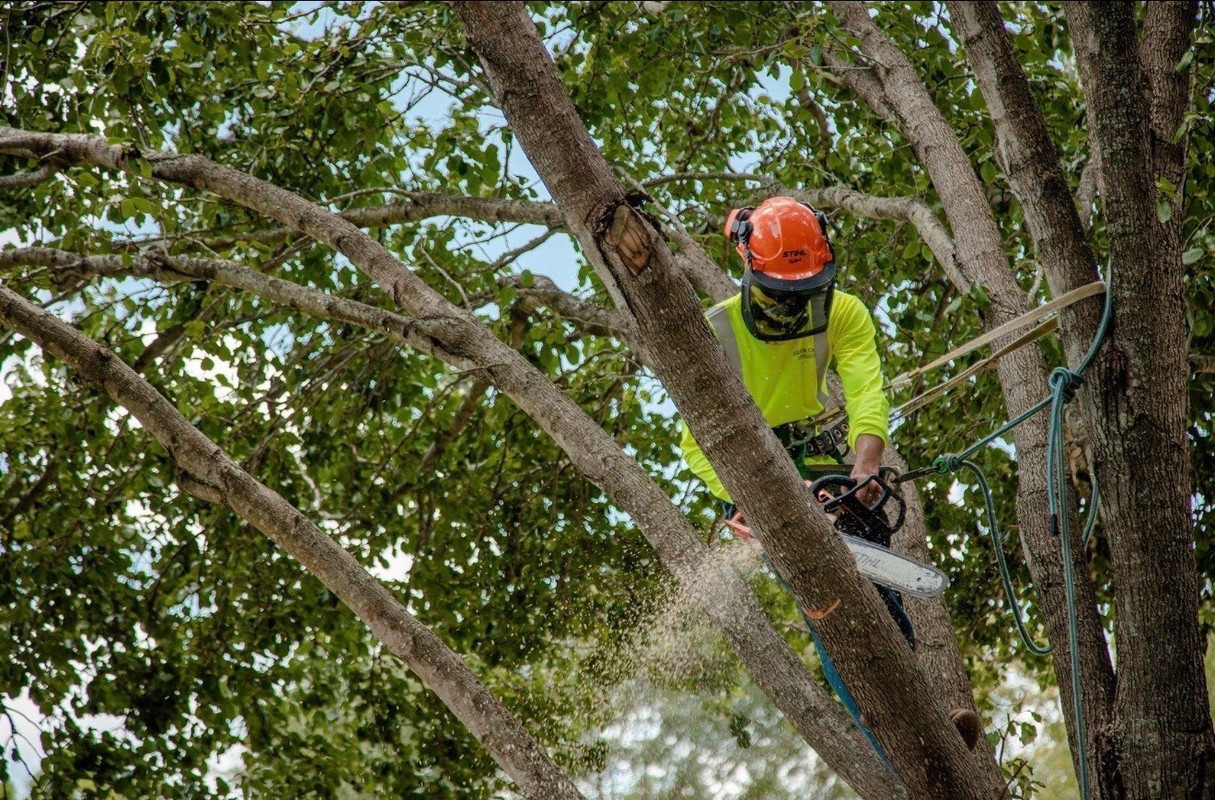
Planting a tree feels simple: dig a hole, put it in, water it, and wait. On a commercial property, that tree will grow for decades, shade a parking lot, hide a sign, lift pavement, or drop limbs on a car. The species and the location decide which outcome you get. For owners and managers in Riverside and Burlington County, commercial tree services nj includes helping choose trees that fit the site, not just planting what is available.
The first question is mature size, not the size in the pot. A tree that looks small at the nursery may grow fifty feet tall and thirty feet wide. It needs space for roots, branches, and the equipment that will maintain it. A tree planted under a power line or too close to a building becomes a removal in fifteen years, and the removal costs more than the planting saved.
Root behavior matters as much as the canopy. Some species have shallow roots that lift pavement and compete with grass; others have aggressive roots that seek water and sewer lines. A tree near a parking lot or sidewalk should be chosen for root tolerance, not just for fall color. The wrong root system can cost more than the tree, because pavement repair is expensive and repeated.
Spacing is a design decision. Trees planted too close together compete for light and water, and they become a maintenance problem as they mature. The mature canopy width should guide spacing, not the size of the nursery stock. A little empty space at planting is cheaper than removing a crowded tree later.
Soil and climate decide whether the tree thrives. Compacted urban soil, road salt, drought, and winter cold are different stresses. A species that grows well in a nursery may struggle in a parking island with reflected heat and limited water. Ask for trees that tolerate the site, not just the region.
Native species are not automatically the best choice for a parking lot. A native tree that needs moist, rich soil may struggle in a hot island surrounded by pavement. Adapted species, including well-behaved non-natives, can be more suitable. The right question is whether the tree fits the site, not whether it is native.
What to consider before planting
Utility lines are a hard constraint. The height at maturity has to fit under the wires, and the roots have to stay clear of underground services. A tree that is pruned every year to avoid a line is a maintenance liability. Choose a smaller species or a different location, even if the larger tree is more attractive.
Signage and lighting are part of the design. A tree that grows into a sign hides the business; one that blocks a light creates a dark spot. Place trees so they frame the entrance instead of covering it. The view from the street and from the parking lot should be checked from several angles before planting.
Maintenance capacity is part of the decision. A high-maintenance species with fruit, heavy litter, or frequent pruning may not fit the budget. A sterile, drought-tolerant tree with strong wood may be less exciting but easier to live with. The best tree is the one the property can maintain, not the one that looks best in a catalog.
A landscape plan that ages well
Plant in phases. A new landscape does not have to be finished in one season. Phasing spreads the cost and lets the property learn what works. Start with the trees that provide the most shade and structure, then add understory and seasonal color. A phased plan is easier to fund and easier to adjust.
Diversity is resilience. A site with one species is vulnerable to a single pest or disease. A mix of species with different ages and tolerances is more likely to survive the next outbreak. Diversity also looks more natural and supports more wildlife. The goal is not a collection; it is a stable canopy.
A diverse planting plan reduces the risk of a single pest or disease. It also looks more natural. The goal is not a different species every ten feet, but a mix that provides shade, habitat, and visual interest without overwhelming the maintenance budget.
Trees near utility lines should be chosen for mature height and pruning tolerance. A small ornamental tree may be a better fit than a large shade tree, even if it provides less shade. The right choice depends on the space, not on the desire for the biggest tree.
Young trees need care. Watering, mulch, staking when necessary, and early structural pruning determine how the tree looks in twenty years. A tree that is planted and forgotten may survive, but it will not thrive. The first three years decide the next thirty, and that care belongs in the planting budget.
Irrigation during establishment is part of the planting budget. A new tree needs deep watering, especially in the first two summers. A drip line or a temporary hose schedule is better than relying on rain. The first three years decide the next thirty, and water is the variable most often neglected.
Give the roots room. A small pit surrounded by pavement limits water and air. Planting islands, structural soil, and connected trenches can make a difference. The tree lives in the soil, not in the plan, and the space below ground decides how long it survives.
Plan for replacement. Every tree has a lifespan, and a commercial property should know which trees will need to be replaced and when. A replacement plan avoids the emergency removal and the rushed choice. It also allows the property to choose a better species for the site, based on what the previous tree taught.
The right tree in the right place is not a landscaping detail. It is a long-term business decision that affects shade, safety, maintenance, and curb appeal. Choose with the mature size, the roots, the soil, and the budget in mind. The tree will be there long after the planting invoice is forgotten.


 en la parte superior derecha de la subsección.